
Views: 0 Author: Site Editor Publish Time: 2026-08-10 Origin: Site


Packaging dimensions dictate more than just aesthetics. They directly influence product margins, shipping logistics, and the end-user application experience. Selecting the incorrect volume for a product line leads to accelerated formulation spoilage if the bottle is too large for natural, unpreserved oils. Conversely, customer frustration mounts from frequent repurchasing if the container is too small. Misaligned packaging-to-product volume ratios also erode margins rapidly. A technical breakdown of standard capacities helps evaluate each size against formulation requirements, blend purpose, supply chain realities, and target market expectations. We will analyze the mechanical clearances, material compatibility, and filling line constraints associated with different capacities. This ensures your procurement decisions align with your operational capabilities and product strategy.
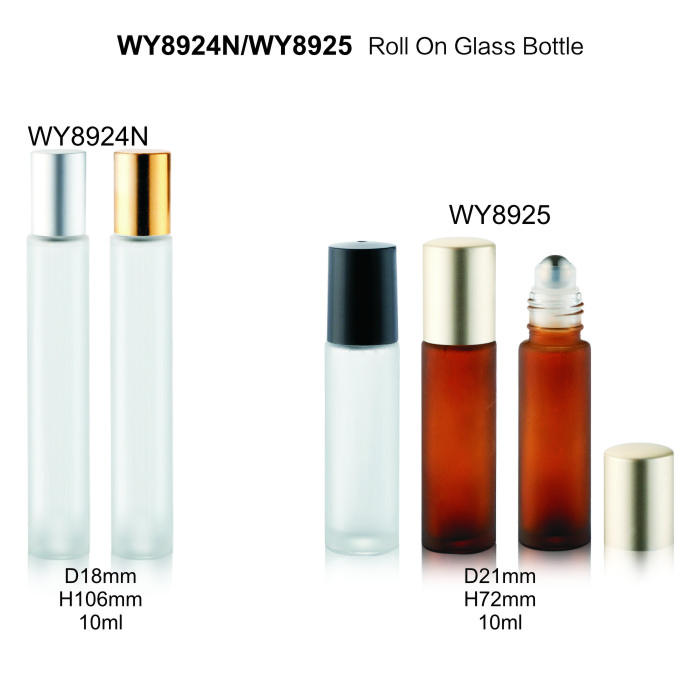
The 10ml Benchmark: The 10ml (1/3 oz) size remains the undisputed industry standard for essential oils and perfumes, offering the most reliable supply chain availability, blending convenience, and optimal dilution ratios.
Micro-Sizes (2ml–5ml) Drive Acquisition: Smaller capacities are critical for high-margin, pure extracts, everyday carry (EDC) portability, and low-barrier entry products like sample kits or travel sets.
Macro-Sizes (15ml–50ml) Serve Utility: Larger capacities shift the product category from pulse-point application to broad-surface utility (e.g., deodorants, muscle rubs, body serums).
Component Compatibility Scales with Size: As bottle volume increases, the structural integrity of the roller ball fitment (housing and ball material) becomes increasingly critical to prevent leakage and control dispensing rates.
Table of Contents
Choosing the right packaging requires a deep understanding of how your formulation behaves over time. Formulation shelf-life and usage rates are the first variables to consider. Natural oils and botanical extracts oxidize when exposed to air and light. Every time a user applies a product, a microscopic amount of oxygen and skin flora enters the housing. Products with short shelf lives require smaller bottles. This ensures the consumer finishes the product before degradation occurs. If you package a highly volatile citrus blend in a large container, the bottom half of the product will likely lose its therapeutic properties and scent profile before the user ever reaches it.
Target audience expectations and unit economics also drive size selection. You must analyze the perceived value of different capacities. Calculating the cost of goods sold (COGS) ratio between the raw formulation and the glass packaging reveals stark realities across varying volumes. The manufacturing cost of a 2ml glass vial is often remarkably similar to a 10ml vial because the material cost is negligible compared to the molding and handling processes. Therefore, putting a low-cost carrier oil in a 2ml bottle destroys your margins. Micro-sizes only make economic sense when filled with high-value, concentrated ingredients where the fluid itself is the primary cost driver.
Application surface area directly correlates with bottle capacity and roller ball diameter. You must match the physical hardware to the intended application zone. Targeted blemish control serums or pulse-point perfumes require precision. A small metal ball delivers a tight, controlled line of fluid. Conversely, a full-body muscle rub or a daily body oil requires broad-surface utility. Applying a muscle rub with a tiny 8mm roller ball frustrates the user. They need a large sphere that dispenses significant fluid volume across shoulders and thighs.
Viscosity and flow dynamics dictate the necessary mechanical clearances within the fitment. The thickness of your carrier oil changes how the product dispenses. Fractionated coconut oil is thin, measuring around 30 centipoise (cP), and flows rapidly. It works perfectly with tight-tolerance stainless steel balls. Castor oil or thick glycerin-based serums measure closer to 1000 cP. They struggle to pass through tight clearances. You must match the housing tolerance to your fluid. This dynamic often varies significantly between micro and macro bottle sizes, as larger bottles typically utilize different housing designs to accommodate thicker emulsions.
Measure the viscosity of your primary carrier oil in centipoise to determine baseline flow characteristics.
Calculate the expected daily usage volume to match the bottle capacity with the formulation's oxidation timeline.
Determine the target application zone to select the appropriate roller ball diameter.
Analyze the COGS ratio to ensure the packaging cost does not exceed the fluid value in micro-sizes.
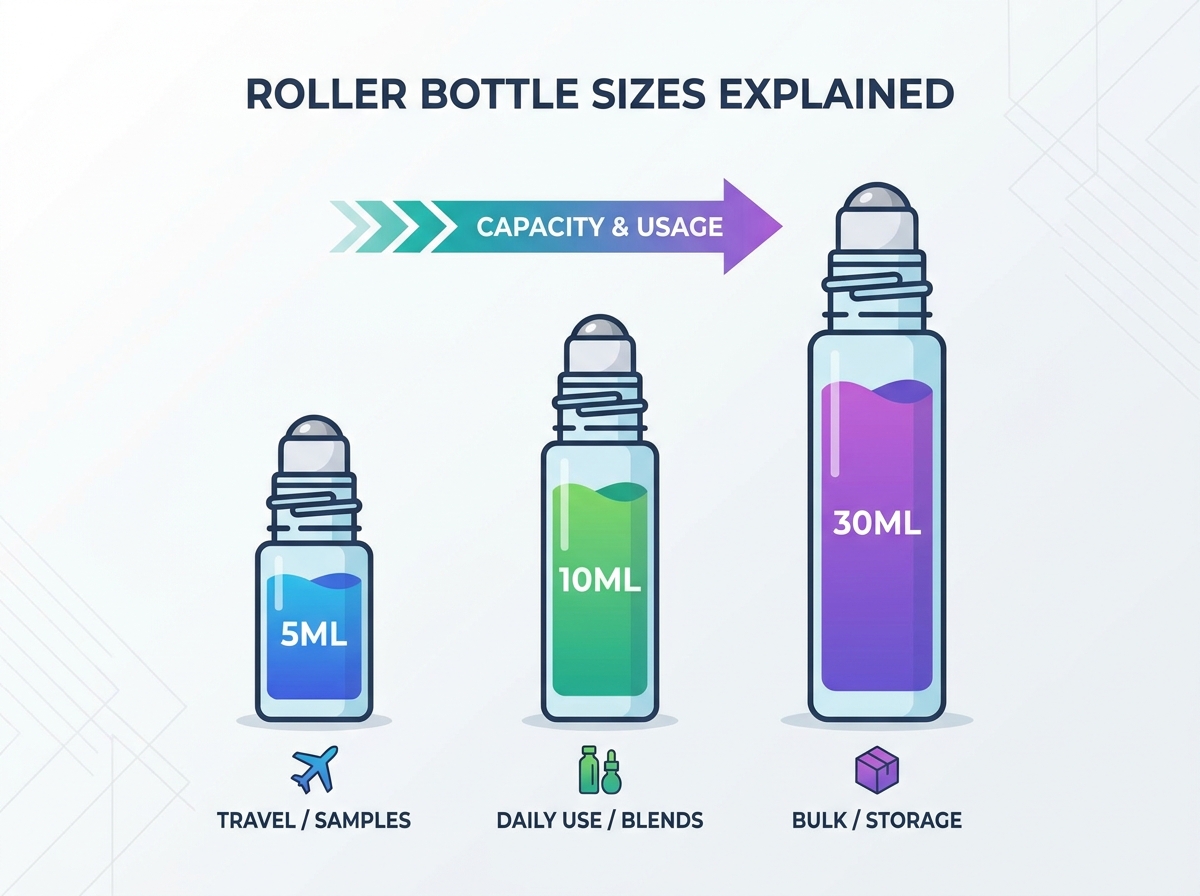
The 2ml and 3ml capacities represent the tester and travel segment. These micro-sizes serve highly specific strategic use cases. Brands rely on them for subscription box inclusions, retail sample incentives, and highly concentrated, undiluted pure essential oils. When a customer wants to test a premium fragrance before committing to a full-size purchase, a 2ml vial provides exactly enough volume for a few days of wear. They allow brands to distribute physical products widely without giving away excessive inventory.
However, these micro-sizes come with severe limitations. The packaging-to-product cost ratio is exceptionally high. You spend more on the glass, fitment, and cap than the liquid inside. Furthermore, compliance becomes a major hurdle. A 2ml bottle offers virtually no surface area for labeling. Regulatory requirements dictate that you list ingredients, warnings, and distribution information. You simply cannot fit this text on a 2ml cylinder. This forces brands to invest in secondary packaging, like printed outer cartons or blister packs, which further drives up unit costs.
The 5ml size establishes the standard for premium extracts and everyday carry (EDC) items. Strategic use cases include premium botanical perfumes, concentrated eye serums, and targeted spot treatments. Consumer perception shifts dramatically at the 5ml mark. Buyers highly value this size for its pocket-friendly portability. They view it as a premium, travel-friendly alternative to full-sized products. Unlike a 2ml vial, a 5ml bottle does not feel like a disposable sample. It feels like a deliberate, standalone retail product.
Working with micro-bottles introduces significant business trade-offs on the production floor. You must evaluate the manual labor or automated filling equipment requirements carefully. Micro-bottles often feature narrow neck finishes, typically 10mm or 13mm. Standard filling nozzles often do not fit into these openings. If you fill by hand, the tiny target area slows down production and increases spillage. If you automate, you must invest in specialized, narrow-gauge diving nozzles and precision peristaltic pumps to handle the small volumes accurately without foaming or splashing.
Capacity | Typical Neck Finish | Primary Application | Filling Line Challenge |
|---|---|---|---|
2ml | 10mm | Sample distribution | Requires micro-dosing pumps; high tip-over risk. |
3ml | 10mm - 13mm | Subscription boxes | Difficult to apply compliant wrap-around labels. |
5ml | 13mm - 16mm | Premium EDC perfumes | Balancing automated line speed with narrow neck targets. |
The 10ml capacity dominates the market for a simple reason: economies of scale. Consumer familiarity with this size is universal. When people think of Roller Bottles, they picture a 10ml cylinder. Because every major manufacturer produces this size in massive quantities, wholesale costs remain incredibly low. This high production volume also unlocks diverse customization options. You can easily find 10ml bottles in amber, cobalt, green, frosted, or custom-painted finishes without facing insurmountable minimum order quantities.
Blending convenience makes the 10ml size a favorite among formulators. The mathematical advantage for standardizing dilution charts is undeniable. A standard 10ml bottle holds approximately 200 drops of liquid. This makes calculating dilution percentages effortless. A 2% dilution requires exactly 4 drops of essential oil. A 5% dilution requires 10 drops. This standardized math works perfectly for both commercial production runs and consumer-facing DIY recipe marketing. It eliminates guesswork and ensures consistent safety profiles across batches.
The 8ml slimline alternative represents a niche but rapidly growing sub-category. Brands utilize this taller, narrower profile for premium lip oils or sleek fragrance lines. It offers a differentiated, elongated aesthetic that stands out on crowded retail shelves. The slimline design maintains near-standard volume and excellent portability while feeling more elegant in the hand. It allows a brand to separate its visual identity from standard aromatherapy products while keeping raw material costs relatively flat. However, the tall profile requires custom pucks on automated filling lines to prevent the bottles from tipping over on the conveyor belt.
Supply chain and sourcing advantages heavily favor the 10ml standard. These bottles almost universally utilize a standard 16mm neck finish, often designated as GL16 or DIN16. This uniformity is a massive operational advantage. Sourcing replacement caps, upgraded steel fitments, or custom labels becomes incredibly easy. If one supplier experiences a stockout of black caps, you can source 16mm caps from three other vendors with confidence that they will fit perfectly. This interchangeability protects your production schedule from unexpected supply chain disruptions.
Moving into the 15ml and 30ml categories changes the product strategy entirely. These sizes serve daily-use facial serums, liquid foundations, and high-volume fragrance rollers. The value proposition shifts toward higher upfront retail price points. While the unit cost of a 30ml bottle is higher than a 10ml, the retail price you can command increases significantly. This creates improved margin structures for the brand. These sizes appeal to heavy users who apply the product daily and want to avoid the friction of frequent repurchasing.
The 50ml capacity moves into macro-applications. Strategic use cases include roll-on deodorants, pain relief gels, and massage oils. At this volume, the application method requires a complete design shift. You transition from small metal balls to large plastic or glass spheres. A 50ml deodorant bottle might feature a roller ball that is an inch in diameter. This large surface area accommodates higher viscosity liquids and creates a wide dispensing path, allowing the user to cover large areas of skin in a single swipe.
Shipping and logistics considerations become critical when dealing with macro-sizes. You must calculate the increased dimensional weight and fragility risks. Shipping a single 10ml bottle in a padded mailer costs very little. Shipping three 50ml glass bottles requires sturdy corrugated boxes, custom inserts, and significant void fill. The weight of the thick glass increases your postage rates dramatically in direct-to-consumer e-commerce models. You must factor these fulfillment costs into your retail pricing strategy to protect your net margins.
Macro-sizes require wider neck finishes, often exceeding 20mm, which changes capping equipment requirements.
High-viscosity gels demand larger housing clearances to prevent the roller ball from seizing during application.
Heavy glass bases increase the risk of breakage during transit, necessitating drop-testing protocols for secondary packaging.
Larger surface areas on 30ml and 50ml bottles allow for comprehensive regulatory labeling without secondary cartons.
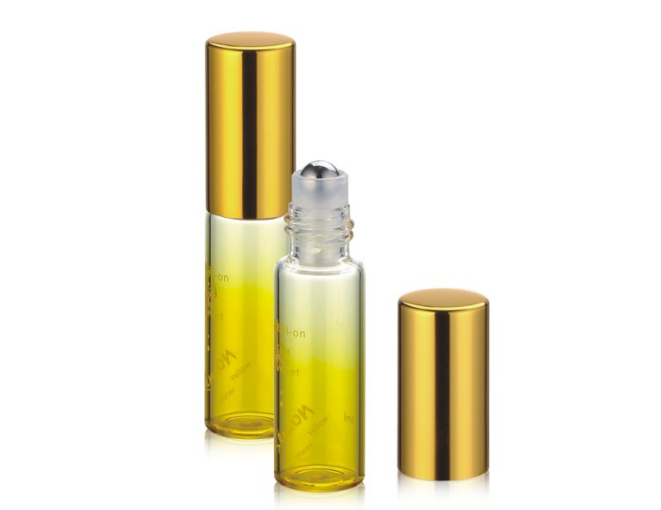
The material of the roller ball itself must align with both the bottle size and the chemical composition of the fluid. Stainless steel remains the best option for 5ml to 15ml essential oil blends. High-grade 316L stainless steel resists corrosion from aggressive citrus or camphoraceous oils. It also provides a distinct cooling effect on the skin, which enhances the application experience for eye serums or headache blends. Steel balls are manufactured to incredibly tight tolerances, ensuring a consistent, predictable flow rate.
Glass balls offer a premium aesthetic, often preferred by luxury fragrance brands. However, glass molding is inherently less precise than machining steel. Glass balls are subject to microscopic sizing variances, often fluctuating by +/- 0.2mm. If the ball is slightly too large, it jams in the housing. If it is slightly too small, it leaks. Plastic balls, typically made of polypropylene (PP) or polyethylene (PE), are necessary for larger 30ml to 50ml bottles. They are lightweight, inexpensive to mold in large diameters, and handle thicker gels or emulsions perfectly without seizing.
Neck threading dictates the security of your product. Bottle size impacts the neck finish standard. Smaller bottles often use simple snap-on fitments or basic screw threads. Larger bottles might utilize DIN18 standards. You must match the fitment housing tightly to the glass neck to prevent oxygen ingress and fluid leakage. If the threads on the cap do not perfectly align with the threads on the glass, tightening the cap will cause it to strip or back off slightly. This microscopic gap allows oil to seep out during transit, ruining the unboxing experience.
UV protection realities dictate your glass color choices. Amber glass blocks the majority of UV light below 450nm, making it mandatory for photosensitive ingredients like cold-pressed citrus oils. Cobalt blue and emerald green offer moderate protection. Frosted glass diffuses light but offers little true UV blocking. Clear bottles expose the maximum surface area to UV light. If you use clear glass for larger sizes, you must invest in secondary packaging, like opaque boxes or cardboard tubes, to protect light-sensitive formulations on retail shelves.
Scaling up production exposes brands to minimum order quantities (MOQs) and inventory holding costs. Standard 10ml Roller Bottles benefit from massive global demand. You can often purchase them in cases of a few hundred units. However, custom 3ml vials, 8ml slimline designs, or heavy-base 30ml sizes may require massive upfront capital. Manufacturers often demand MOQs of 10,000 to 50,000 units for non-standard sizes or custom colors. You must calculate whether your projected sales velocity justifies tying up capital in thousands of empty glass containers.
Quality control and fitment testing are non-negotiable steps before committing to bulk freight orders. You must order physical samples and conduct rigorous 30-day leak and compatibility tests. Fill the sample bottles with your exact carrier oils and active ingredients. Snap the fitments into place, secure the caps, and lay the bottles on their sides on white paper. Check daily for oil rings. Place another set in an incubator at 45°C to simulate hot summer shipping conditions. Heat causes liquids to expand, pushing past the roller ball. If the housing fails under pressure, you must redesign the fitment before ordering.
Advanced testing protocols also include vacuum chamber evaluations. Place filled and capped bottles into a vacuum chamber and drop the pressure to -0.4 bar. This simulates the pressure changes experienced during air freight. If the fitment pops off or the oil bypasses the roller ball under vacuum, the packaging will fail during transit. Identifying these mechanical failures during the sampling phase prevents catastrophic inventory losses later.
Audit your current formulation viscosity to determine if you need tight steel clearances or wider plastic ball tolerances.
Calculate the COGS ratio for at least three different bottle sizes to find the most profitable configuration for your specific fluid.
Request technical specification sheets from manufacturers to verify exact neck dimensions, thread profiles, and material grades.
Order physical samples and initiate a 30-day horizontal leak test and vacuum chamber evaluation using your actual product formulation.
DEMEI is a Shanghai-based cosmetic packaging manufacturer with integrated capabilities in mold development, injection molding, printing, coating, hot stamping, and assembly. With five affiliated factories and an annual production capacity of 100 million sets of cosmetic containers, the company supports standard and customized packaging projects for beauty, skincare, fragrance, and personal care brands.
A: The 10ml (1/3 oz) bottle is the undisputed global standard for essential oils. It offers the best balance of portability, supply chain availability, and ease of use. The standard 16mm neck finish allows for easy sourcing of replacement caps and fitments.
A: A standard 10ml bottle holds approximately 200 drops of liquid, depending on the viscosity of the carrier oil. This makes calculating dilution ratios straightforward. For example, a 2% dilution requires exactly 4 drops of essential oil added to the carrier base.
A: It depends on the product value. 10ml bottles are best for standard aromatherapy blends and daily-use perfumes. 5ml bottles are better for highly concentrated, expensive extracts or premium eye serums where a smaller volume justifies a high retail price point.
A: Yes, but you must ensure the fitment housing has enough clearance. Thick oils like castor oil or heavy glycerin serums can cause tight-fitting stainless steel balls to seize. You may need to request specific housing tolerances designed for high-viscosity liquids.
A: All standard sizes, including 5ml, 10ml, 30ml, and 50ml, are fully TSA approved for carry-on luggage. The TSA liquid limit is 3.4 ounces (100ml) per container, meaning even the largest standard roll-on bottles easily pass security requirements.
A: Measure the outer diameter of the bottle's neck threads using digital calipers. A measurement of 16mm indicates a standard 10ml bottle neck. You must also check the thread finish style to ensure the replacement cap screws down completely without cross-threading.
A: Larger bottles (30ml-50ml) dispense thicker liquids like deodorants or muscle gels over broad surface areas. Plastic balls are lighter, cheaper to mold in large diameters, and handle high-viscosity emulsions better without seizing or causing excessive friction against the skin.


