
Views: 0 Author: Site Editor Publish Time: 2026-08-10 Origin: Site


The effectiveness of custom topical formulations—whether essential oil blends, perfumes, or cosmetics—relies entirely on the integrity of their delivery system. Substandard packaging compromises product efficacy from the moment of filling. Poorly manufactured Roller Bottles lead to rapid oxidation, chemical leaching, inconsistent application, and costly leaks that ruin secondary packaging. Navigating the market requires moving beyond aesthetics to evaluate material compatibility, fitment engineering, and long-term durability under daily use. You cannot afford to put high-quality botanical extracts into low-grade vessels. This guide provides a technical framework for selecting, assembling, and maintaining high-quality containers for both personal formulation and commercial scaling. We will examine the exact mechanical tolerances required for leak-proof seals, the chemical resistance of various glass types, and the specific assembly protocols that prevent structural damage during production.
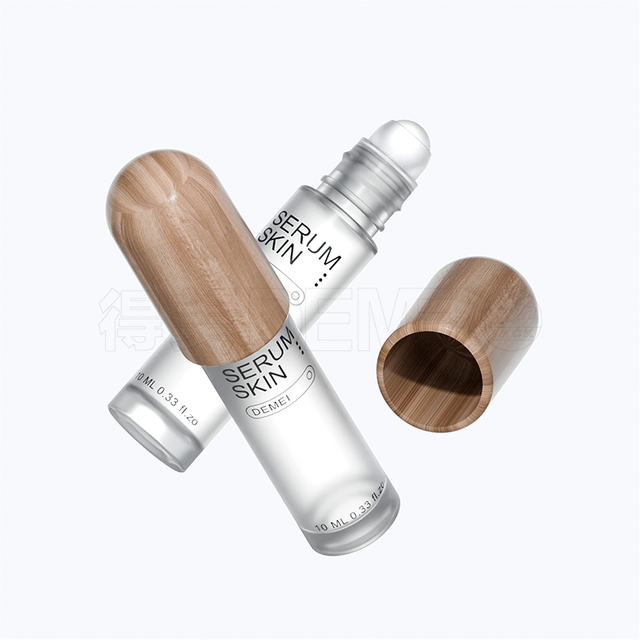
Material Integrity: Pure essential oils require non-reactive vessels; UV-resistant glass (amber or cobalt) paired with stainless steel rollerballs offers the highest protection against degradation.
Fitment Engineering: The primary cause of leakage is poor tolerance between the rollerball and its plastic or silicone housing. Evaluating fitment quality is the most critical step in procurement.
Dilution Compliance: Safe application necessitates precise dilution ratios. A standard 10ml roller bottle requires specific drop counts depending on the user's age and the oil's dermal limits.
Lifecycle Management: True ROI in packaging comes from reusability. Implementing proper sterilization and de-greasing protocols extends the lifespan of both the glass vessel and the mechanical fitment.
Table of Contents
Selecting the wrong material leads to chemical reactions between volatile organic compounds (VOCs) and the container. This interaction ruins the product formulation, alters the intended fragrance profile, and causes severe skin irritation upon application. Understanding the physical and chemical properties of your packaging materials prevents these structural failures.
Pure essential oils act as potent natural solvents. Citrus oils contain high concentrations of d-limonene, a chemical compound that dissolves petrochemical plastics over time. When undiluted or highly concentrated oils sit inside standard plastic containers, the solvent action breaks down the polymer chains. This causes the plastic to warp, cloud, or leach harmful chemical plasticizers directly into your therapeutic blend.
High-density glass stands as the non-negotiable standard for undiluted or highly concentrated blends. Glass remains completely chemically inert. It will not react with terpenes, phenols, or aldehydes present in botanical extracts. This inert nature guarantees that the liquid dispensed onto the skin remains exactly as formulated, free from external chemical contamination.
High-grade PET (Polyethylene Terephthalate) plastics serve limited, specific use cases. Formulators utilize PET for heavily diluted, water-based mixtures, or short-term travel formulations where shatter resistance outweighs long-term chemical stability. However, even high-grade PET should never house pure essential oils for extended storage periods.
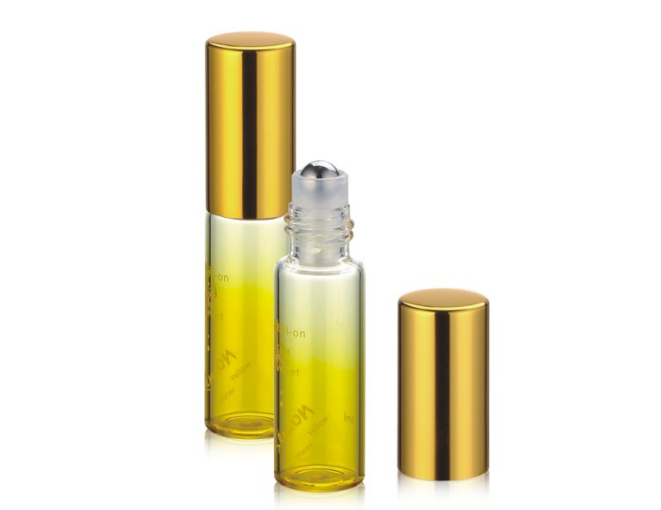
Photo-oxidation destroys the therapeutic compounds found in botanical extracts. When ultraviolet (UV) light penetrates a container, it triggers a reaction with oxygen molecules inside the liquid. This process creates free radicals that rapidly degrade the oil, altering its chemical structure and completely changing its fragrance profile. Proper UV protection extends the shelf life of sensitive formulations by months or even years.
Amber glass provides the highest level of protection against UV radiation. The specific mineral composition used to create the amber color blocks blue light and UV wavelengths under 450 nanometers. This makes it the superior choice for light-sensitive compounds. Cobalt blue glass offers moderate protection. While visually appealing, cobalt allows more UV light to pass through than amber, making it suitable for moderately sensitive blends stored in shaded environments.
Clear or frosted glass offers zero UV protection. These vessels allow full light penetration, accelerating the photo-oxidation process. Formulators should only use clear glass for highly stable carrier oils, synthetic fragrances, or products stored permanently inside dark cabinets or opaque secondary packaging.
Glass Type | UV Blocking Capacity | Best Application | Storage Requirement |
|---|---|---|---|
Amber Glass | High (>90% under 450nm) | Pure essential oils, citrus blends, absolute oils | Standard room lighting |
Cobalt Blue | Moderate | Diluted blends, perfumes, synthetic fragrances | Away from direct sunlight |
Clear/Frosted | None | Stable carrier oils, water-based serums | Dark cabinets, opaque boxes |
The fitment—the housing and the ball bearing itself—dictates the user experience. Stainless steel stands as the industry standard for durability, smooth application, and resistance to corrosion. High-quality 304 or 316-grade stainless steel rollerballs glide effortlessly across the skin. They dispense a consistent volume of liquid without scratching or catching. They resist oxidation and do not react with the vast majority of cosmetic chemicals.
Glass rollerballs offer complete chemical inertness, matching the glass vessel itself. However, glass manufacturing involves variable tolerances. Achieving a perfectly spherical glass ball is difficult, often leading to inconsistent liquid flow. Users frequently experience glass rollerballs sticking in the housing or dispensing too much liquid at once due to micro-imperfections on the ball's surface.
Plastic rollerballs present significant risks. The friction of application, combined with the solvent nature of essential oils, causes plastic degradation and warping. As the plastic ball loses its perfect spherical shape, the seal against the housing fails, resulting in high leakage rates. Plastic fitments should be strictly avoided when working with high-concentration essential oils or aggressive solvent bases.
Standard cylindrical bottles dominate the market for practical reasons. The cylindrical shape offers superior structural integrity against external pressure. The uniform curve distributes impact forces evenly, reducing the likelihood of shattering if dropped. Furthermore, cylindrical bottles provide a consistent surface area, which is an absolute requirement for automated labeling machinery in commercial production environments.
Square or novelty shapes present unique aesthetic appeal but introduce functional challenges. Square bottles have weak points at their corners, making them more susceptible to breakage. Applying labels to flat-sided bottles often results in bubbling or misalignment unless done manually. Additionally, the internal corners of square bottles trap small amounts of liquid, preventing users from extracting the entire product.
Matching the bottle volume to the formulation's shelf life, intended usage frequency, and portability requirements determines the success of the final product. Selecting an inappropriate size leads to product expiration before completion or frustratingly frequent refills.
The 10ml size serves as the default baseline for aromatherapy, personal care, and retail gifting. This capacity strikes the ideal balance between portability and longevity. It fits easily into pockets, purses, and travel kits while holding enough product to last several months under normal daily use.
Understanding the baseline math for 10ml formulations ensures accurate blending. A standard 10ml vessel holds approximately 200 drops of total liquid volume. This predictable metric allows formulators to calculate dilution percentages with precision, ensuring safety and consistency across multiple batches.
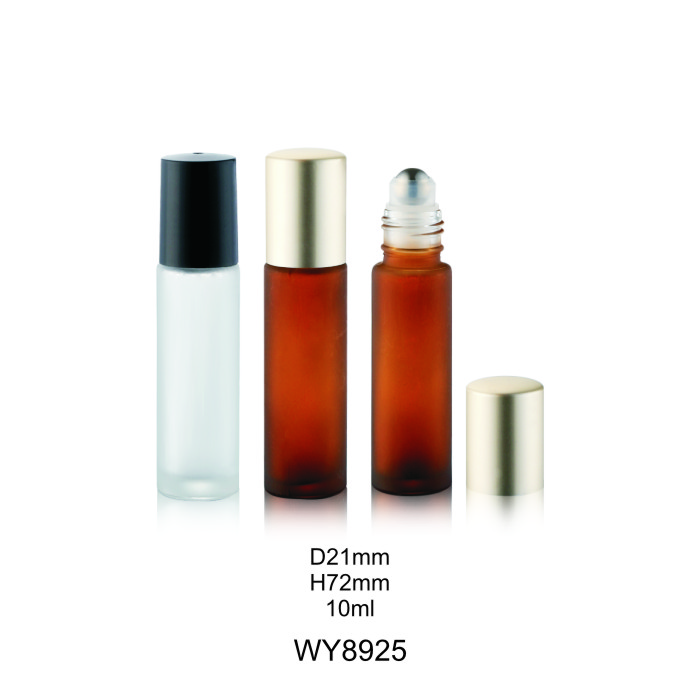
Smaller formats, such as 5ml or 3ml bottles, serve specific, high-value use cases. Formulators utilize these sizes for rare or expensive absolute oils, such as pure rose or jasmine, where a 10ml volume would be cost-prohibitive. They also excel as components in travel kits or for highly concentrated spot-treatments, like targeted blemish serums or intense headache relief blends.
The primary challenge with smaller volumes lies in fitment engineering. Sourcing high-quality fitments for smaller neck sizes requires rigorous testing. The reduced surface area of a mini rollerball can lead to restricted flow, requiring users to apply excessive pressure to dispense the product.
Larger formats cater to products requiring broad surface application. Massage oils, body serums, muscle relief gels, and natural deodorants perform best in 15ml to 30ml roll-ons. These formulations are applied over large muscle groups or extensive skin areas, necessitating a larger reservoir of liquid.
These larger bottles require correspondingly larger rollerball diameters. A standard 10ml fitment on a 30ml bottle would dispense product too slowly for a massage oil. Upgrading to a wide-track rollerball ensures adequate product dispensing, improving the user experience and reducing application time.
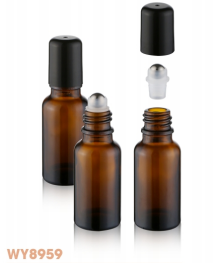
Improper handling during assembly damages the fitment housing, leading to micro-leaks and product loss. Understanding the mechanical tolerances of the packaging prevents structural damage during the filling process.
Removing a seated fitment requires specific leverage to avoid warping the plastic housing or cracking the glass neck. Utilizing specialized essential oil keys or fitment removal tools provides the exact angle and pressure needed to pry off the housing safely. These tools slip under the lip of the plastic fitment, lifting it straight up without bending the internal sealing rings.
Never use fingernails, kitchen knives, or teeth to remove fitments. Fingernails will bend and damage the soft plastic lip. Knives score the plastic, creating tiny channels where liquid will eventually escape. Teeth apply uneven, crushing pressure that permanently warps the housing, completely compromising the airtight seal.
Follow these steps for safe fitment removal:
Select a metal essential oil key that matches the neck diameter of your bottle.
Slide the U-shaped cutout of the key directly under the plastic lip of the rollerball housing.
Rest the base of the key against the glass shoulder of the bottle to create a fulcrum.
Apply gentle, even downward pressure on the handle of the key to pry the fitment straight up.
Inspect the removed fitment for any signs of stretching or micro-tears before deciding to reuse it.
Clean filling operations require the right equipment. Glass pipettes, micro-funnels, and graduated cylinders allow for precise liquid transfer without spilling oil onto the exterior threads of the bottle. Oil on the threads prevents the cap from locking down securely, which inevitably leads to leaks during transport.
Maintaining proper headspace is critical. Headspace refers to the required empty gap at the top of the bottle, just below the neck. When you press the fitment into the bottle, it displaces air. If you overfill the bottle, leaving no headspace, the downward pressure of the fitment forces the liquid up through the rollerball. This creates hydraulic pressure leaks immediately upon capping.
Standard filling protocol:
Sanitize all glass vessels and stainless steel tools using high-proof isopropyl alcohol.
Measure your carrier oil and essential oil blend in a separate graduated glass beaker.
Use a stainless steel micro-funnel to transfer the liquid into the bottle.
Stop filling exactly at the shoulder of the bottle, leaving at least 6mm of empty space below the neck opening.
Wipe the exterior glass threads with a dry, lint-free cloth to remove any accidental drips.
Seating the fitment evenly ensures a 360-degree seal against the inner wall of the glass neck. Place the fitment squarely over the opening. Press straight down using the palm of your hand or a specialized seating tool. Do not press at an angle, as this pinches the plastic housing and creates a weak point in the seal. You should feel a distinct click when the fitment locks into the glass ridge.
The screw cap acts as the final pressure seal. When fully tightened, the inner dome of the cap pushes the rollerball firmly down into its housing. This mechanical action blocks the flow of liquid entirely, preventing leaks during transit or changes in atmospheric pressure. Always ensure the cap is threaded correctly and tightened firmly after assembly.
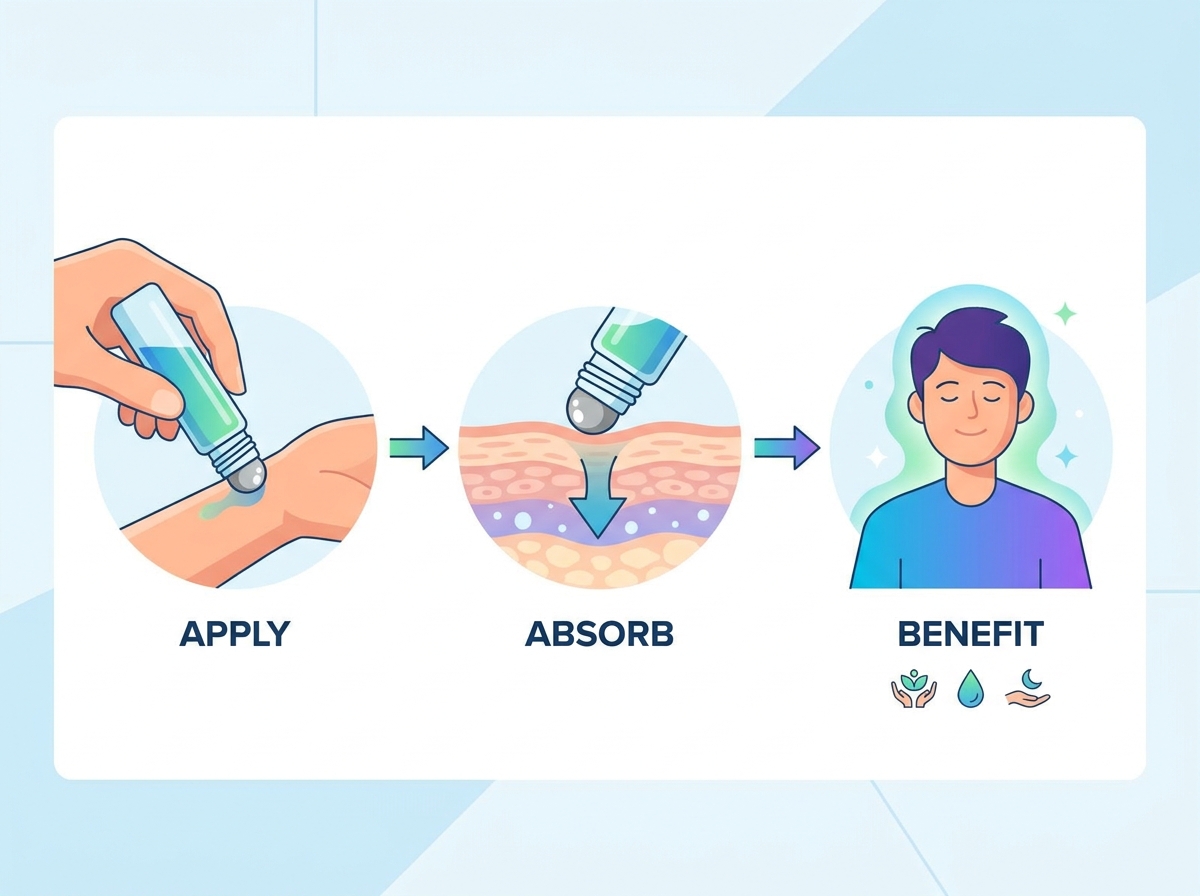
The vessel itself is merely a delivery mechanism. The viscosity, concentration, and application method of the internal liquid dictate the ultimate success of the product. Proper formulation guarantees safety and optimal rollerball function.
Safe application necessitates precise dilution ratios. Essential oils are highly concentrated plant extracts that can cause severe sensitization, chemical burns, or systemic toxicity if applied neat (undiluted) to the skin. Utilizing a concrete, evidence-based dilution framework for a standard 10ml bottle ensures dermal safety.
0.5% - 1% Dilution (Pediatric 2-5 years / Sensitive skin): Add 1 to 3 drops of essential oil to the 10ml bottle, filling the rest with carrier oil. This low concentration minimizes the risk of overwhelming developing immune systems or triggering reactive skin conditions.
2% Dilution (Daily adult use): Add 4 to 6 drops of essential oil. This represents the standard safety threshold for daily cosmetic application, perfumes, and general wellness blends.
5% Dilution (Short-term, acute adult use): Add 10 to 15 drops of essential oil. Reserve this concentration for targeted, short-term issues like muscle cramps or acute localized pain. Do not use 5% dilutions for full-body application or extended daily use.
Respecting dermal safety limits prevents the development of contact dermatitis. Over-concentration forces the skin to process an excessive load of volatile compounds, which can trigger permanent allergic sensitization to specific botanical extracts.
The carrier oil dilutes the active ingredients and dictates how the rollerball performs. If a carrier oil is too thick, the ball will not rotate freely. If it is too thin, the product may leak past the ball bearing tolerances. Selecting the appropriate carrier oil requires balancing skin benefits with mechanical viscosity.
Carrier Oil Type | Viscosity Profile | Absorption Rate | Best Use Case in Roll-Ons |
|---|---|---|---|
Fractionated Coconut Oil (FCO) | Very Light / Thin | Fast | Standard perfumes, daily wellness blends. Glides perfectly through tight stainless steel fitments. |
Jojoba Oil | Medium | Medium | Facial serums, acne spot treatments. Mimics human sebum, highly stable against oxidation. |
Sweet Almond Oil | Medium / Heavy | Slow | Massage blends, dry skin treatments. May require a slightly wider rollerball tolerance for optimal flow. |
Castor Oil | Extremely Heavy | Very Slow | Not recommended as a primary base for standard fitments. Causes ball sticking unless heavily diluted with lighter oils. |
Fractionated Coconut Oil remains the most popular choice for commercial roll-ons due to its indefinite shelf life, odorless profile, and perfectly matched viscosity for standard stainless steel fitments. When formulating with heavier oils like Sweet Almond or Avocado oil, rigorous testing of the specific fitment tolerance is required to ensure the ball does not seize during application.
Even with high-quality components, mechanical issues occasionally arise during formulation or daily use. Identifying the root cause of these failures allows you to correct your assembly process and salvage the product.
A seized rollerball refuses to turn, preventing any liquid from dispensing. This usually stems from one of three distinct mechanical failures. First, the carrier oil viscosity may exceed the tolerance of the fitment housing. Second, botanical waxes or resins from unrefined essential oils (like myrrh or vetiver) can crystallize around the ball bearing. Third, excessive downward pressure during assembly may have permanently compressed the plastic housing against the steel ball.
To fix a seized ball, first attempt to manually break the friction seal. Press the rollerball firmly against a clean, hard surface and roll it back and forth to dislodge any crystallized resins. If the issue is temperature-related viscosity, submerge the sealed bottle in a warm water bath for ten minutes to thin the carrier oil. If the housing is permanently compressed, you must remove and discard the fitment, replacing it with a new unit.
Micro-leaks present as a thin, oily film accumulating around the exterior threads of the bottle, even when the cap is tightly secured. This seepage indicates a failure in the primary seal between the plastic fitment and the inner glass neck.
This failure typically occurs when formulators reuse plastic fitments. The act of prying a fitment out of a bottle stretches the plastic. When reinserted, it no longer maintains the necessary tension against the glass. Always use brand new fitments for fresh batches. Additionally, inspect the glass neck for microscopic manufacturing defects or chips. A perfectly round fitment cannot seal against an asymmetrical or chipped glass opening.
Audit your current packaging inventory to confirm you are using high-density amber or cobalt glass paired with 304-grade stainless steel fitments.
Implement a standardized filling protocol that mandates a minimum 6mm headspace to eliminate hydraulic pressure leaks during capping.
Calibrate your formulation recipes to align with the 10ml baseline, ensuring all blends remain within the 2% to 5% dermal safety thresholds.
Test your chosen carrier oil viscosity against your specific rollerball hardware before scaling up production to prevent ball seizing.
DEMEI is a Shanghai-based cosmetic packaging manufacturer with five affiliated factories and capabilities spanning mold development, injection molding, decoration, coating, UV printing, and assembly. Its integrated production services support beauty, perfume, essential oil, skincare, and personal care brands from packaging development to scaled production.
A: Leaks at the cap base usually occur because the plastic fitment housing is not seated completely flush against the glass neck. This happens if the fitment is pressed in at an angle or if oil coats the exterior glass threads during filling, which prevents the cap from creating a tight final seal.
A: Yes, the glass vessels are highly reusable. Boil the glass components in soapy water to remove residual oils, then wipe them down with high-proof isopropyl alcohol. However, you must purchase new plastic fitments, as removing the old fitment stretches and warps the plastic seal.
A: A stuck ball bearing is typically caused by using a carrier oil with a very high viscosity, like pure castor oil, or by the crystallization of certain essential oils in cold temperatures. Gently warming the bottle in your hands or switching to a lighter carrier oil like Fractionated Coconut Oil usually resolves the issue.
A: While the glass and stainless steel components can safely hold undiluted essential oils, applying neat oils directly to the skin via a roll-on is unsafe. Always dilute essential oils with an appropriate carrier oil to prevent skin sensitization and chemical burns.
A: Leave approximately a quarter-inch (about 6mm) of empty space below the neck of the bottle. This headspace allows the fitment to be pressed into the bottle without displacing liquid upward, which prevents immediate pressure leaks.
A: Clear glass offers no protection against ultraviolet light. If exposed to sunlight or harsh indoor lighting, the UV rays will cause photo-oxidation, degrading the therapeutic properties and altering the scent of the oils. Clear bottles must be stored in dark environments.
A: An essential oil key is the safest and most effective tool. It features specific cutouts designed to slide under the plastic lip of the fitment, allowing you to pry it upward with even pressure without cracking the glass or permanently warping the plastic housing.


