
Views: 0 Author: Site Editor Publish Time: 2026-07-09 Origin: Site


Global travel has rebounded, driving strong demand for travel-size cosmetics across retail, e-commerce, hospitality, and duty-free channels. Consumers now expect the same product quality and user experience in compact formats, while cosmetic brands must balance convenience, product protection, sustainability, and cost efficiency.
Developing travel-friendly packaging is more complex than simply reducing container size. Smaller formats can increase packaging costs, create compatibility challenges, raise the risk of leakage during transportation or air travel, and make it more difficult to achieve sustainability goals. Selecting the right packaging materials, closure systems, and structural designs is therefore critical to maintaining product performance throughout the supply chain.
This guide explores the latest travel cosmetic packaging trends and provides a practical framework for selecting packaging solutions. We examine material options, packaging formats, sealing technologies, sustainability considerations, and regulatory requirements to help cosmetic brands develop travel packaging that protects product quality, supports brand positioning, and scales efficiently for global markets.
Compliance & Durability First: Successful travel packaging must prioritize TSA volumetric compliance (under 3.4 oz/100 ml) and pass rigorous pressure-differential testing to prevent in-flight leakage.
The Shift to Solid Formats: The rise of waterless cosmetics requires a pivot from traditional liquid dispensers to moisture-resistant, compact tins and push-up tubes.
Sustainability Requires Monomaterials: To meet global circular economy targets without sacrificing durability, brands must evaluate monomaterial plastics (like PET or PP) and lightweight aluminum over complex, multi-resin pumps.
Sensory and Minimalist Purpose: Modern travel packaging must deliver tactile assurance of leak prevention and prioritize minimalist, space-saving designs without losing prestige branding.
Tooling and MOQ Realities: Custom miniaturization carries high initial tooling costs; leveraging modular, stock travel sets with customized secondary packaging is a proven risk-mitigation strategy for mid-market brands.
Table of Contents
Travel cosmetic packaging must do more than reduce product size. It should protect the formula, comply with international travel regulations, deliver a premium user experience, and reflect the brand's identity. Before selecting packaging, cosmetic brands should evaluate several critical performance requirements.
International air travel regulations define the maximum size of liquid cosmetic containers that passengers can carry in hand luggage. In most markets, including the United States, the TSA 3-1-1 rule limits individual containers to 100 ml (3.4 oz) or less.
For most skincare and personal care products, packaging capacities between 15 ml and 50 ml provide an ideal balance between usability and regulatory compliance. These sizes are large enough for several days of use while remaining convenient for travelers.
Secondary packaging also influences the travel experience. Transparent travel pouches made from durable materials such as TPU or EVA help consumers organize products and simplify airport security inspections. Well-designed travel kits not only improve convenience but also create opportunities to increase average order value through bundled product sets.

Travel cosmetic packaging must withstand pressure changes, vibration, and repeated handling throughout the supply chain and during flights. Even small amounts of trapped air can expand under lower cabin pressure, increasing the risk of leakage if closures are not properly engineered.
To improve packaging reliability, brands should consider:
Secure screw caps or locking pump systems
Induction seals or sealing liners
High-quality sealing gaskets
Airless packaging for sensitive formulations
Leak-proof dispensing mechanisms
Before mass production, manufacturers should verify packaging performance through vacuum testing, drop testing, closure torque verification, and seal integrity testing. These validation processes help reduce leakage complaints, product loss, and customer dissatisfaction.
Recommended quality tests
Vacuum leak testing under simulated cabin pressure
Drop testing from multiple impact angles
Closure torque consistency testing
Seal integrity inspection before shipment
Consumers expect travel-size products to deliver the same premium experience as full-size versions. However, reducing package size should not compromise product quality or brand perception.
Instead of using heavy materials such as thick glass or oversized acrylic components, many cosmetic brands are adopting lightweight engineering plastics and aluminum components that reduce shipping weight while maintaining durability.
Premium finishes—including matte textures, soft-touch coatings, metallic accents, hot stamping, and embossed logos—allow travel packaging to maintain a high-end appearance without increasing material usage. Consistent colors, graphics, and decorative techniques also help reinforce brand recognition across different package sizes.
The goal is to create travel packaging that is lightweight, durable, visually consistent, and aligned with the overall brand identity.

The transition toward solid-format beauty products, including solid serums, SPF sticks, and shampoo bars, fundamentally alters packaging requirements. These waterless formulations bypass TSA liquid restrictions entirely. Material options for solid formats include aluminum tins, coated paperboard push-up tubes, and reusable silicone cases. Each material offers distinct advantages depending on the product's melting point and application method.
A primary decision factor is assessing moisture-barrier requirements. Solid products can soften or melt in humid travel destinations. Packaging must provide adequate protection against environmental moisture to maintain product integrity and prevent messy application. For paperboard tubes, internal wax or biopolymer coatings are necessary to prevent the oils in the solid formula from seeping through the packaging walls.
Material Type | Moisture Barrier | Durability | Best Application |
|---|---|---|---|
Aluminum Tins | Excellent | High (Prone to denting) | Balms, Salves, Solid Perfumes |
Coated Paperboard | Moderate | Low (Crush risk) | Deodorants, Solid Serums, Lip Balms |
Silicone Cases | Good | Very High (Flexible) | Shampoo Bars, Cleansing Bars |
Refillable mini-systems allow brands to sell a durable travel case paired with interchangeable, lightweight refill pods. This approach addresses the personalization trend, enabling consumers to curate custom travel kits. Users can easily swap morning and evening routine modules within a single consolidated travel case, optimizing luggage space.
When evaluating these systems, consider the engineering complexity of snap-fit mechanisms. If refills are difficult to swap or prone to breaking, consumer friction will increase. The locking mechanisms must be intuitive and robust enough to withstand repeated use. Tolerances in injection molding must be tightly controlled (often within 0.1mm) to ensure the refill pods click securely into the outer case without rattling or falling out during transit.
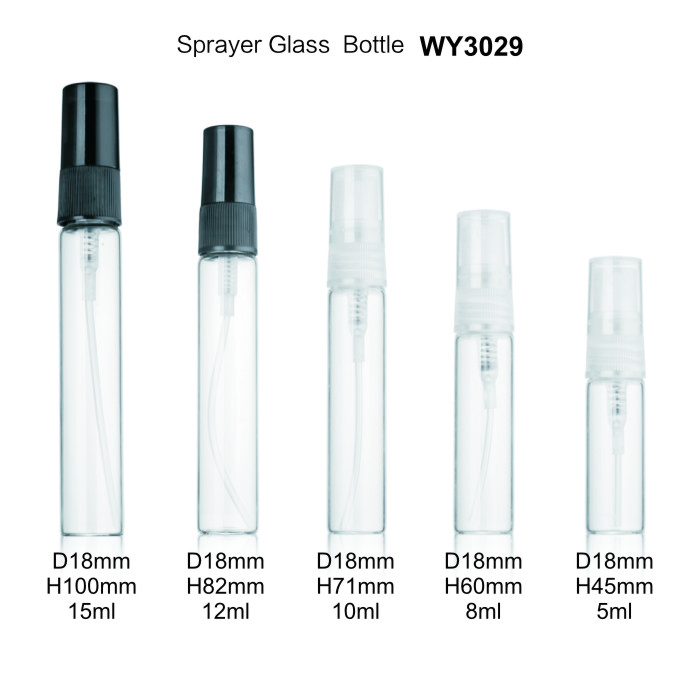
Multi-functional packaging, such as dual-chamber airless pumps and stackable jars, combines multiple SKUs into a single footprint. Offering a day and night cream in one container maximizes space efficiency for the traveler. These dispensers appeal to consumers seeking streamlined routines without sacrificing their multi-step skincare regimens.
You must weigh the convenience against potential drawbacks. Multi-chamber components often have a higher defect rate and increased per-unit cost compared to standard single-chamber packaging. Rigorous quality control is necessary to ensure both chambers function reliably. Airless systems are preferred here, as they prevent cross-contamination between the two formulas and ensure a near 100% evacuation rate.
Emerging formats are designed for extreme portability and active outdoor use. Carabiner-attached SPF, lanyard lip balms, and wearable wristband dispensers cater to consumers needing immediate access to products. There is a growing need for high-performance sunscreen packaging designed for outdoor reapplication, featuring integrated mirrors and hands-free applicators like sponge tips or rollerballs.
Determine if this novelty aligns with your target demographic. While highly functional for active users, wearable packaging risks cheapening a prestige positioning if not executed with premium materials and sleek design. The attachment points (loops, clips) must be molded integrally with the cap or bottle to prevent breakage under stress.
Integrating PCR resins and bioplastics is a primary strategy for improving sustainability. Comparing the tensile strength and flexibility of PCR-PET and bio-PE against virgin plastics is necessary for travel scenarios where durability is paramount. These materials must withstand impact and pressure changes without cracking. High percentages of PCR can sometimes make the plastic more brittle, requiring drop testing validation.
A notable trade-off is the potential for color inconsistencies and black specks in high-percentage PCR materials. You can mask these variations through opaque or frosted finishes, ensuring a uniform aesthetic while utilizing recycled content. When using bio-PE derived from sugarcane, the mechanical properties are identical to virgin PE, but the supply chain availability can fluctuate.
Aluminum is highly valued for tubes and bottles due to its exceptional strength-to-weight ratio and infinite recyclability. It provides a premium feel while remaining lightweight enough for travel. Aluminum packaging effectively protects formulations from light and oxygen, making it ideal for sensitive active ingredients.
The main trade-off is the risk of denting during transit, which can impact the visual appeal. Furthermore, internal epoxy or resin coatings (such as BPA-NI liners) are absolutely necessary to prevent the metal from reacting with active cosmetic formulas. Without a proper liner, the product can degrade, change color, or corroate the aluminum wall.
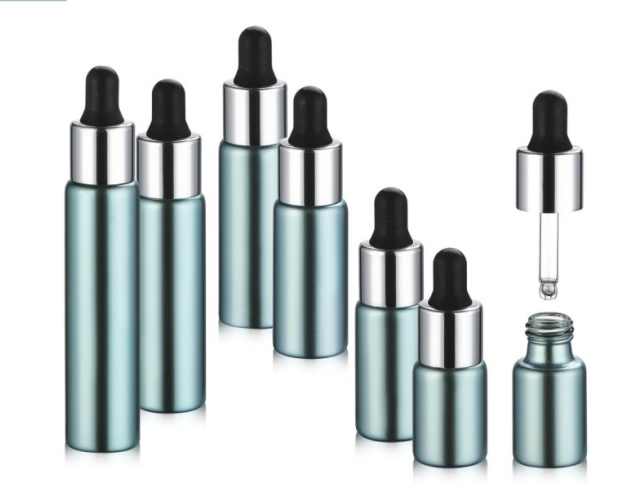
Heavy-wall PET and PCTG serve as excellent glass substitutes for luxury travel packaging. These shatter-resistant polymers mimic the premium weight and clarity of glass without the risk of breakage in luggage. They offer a safe, elegant solution for high-end serums and creams that require a prestige presentation.
Contrast the premium aesthetic of these polymers against their higher raw material costs. While more expensive than standard PP or PE, the reduction in breakage and shipping weight often justifies the investment for luxury lines. PCTG offers superior chemical resistance compared to standard PET, making it suitable for formulas with high concentrations of essential oils or aggressive solvents.
The industry is shifting away from mixed-material lotion pumps, which traditionally contain metal springs and glass balls, making them difficult to recycle. All-plastic, monomaterial pump engines simplify the recycling process and align with circular economy goals. By using PP for the bottle, dip tube, actuator, and spring mechanism, the entire package can be recycled in a single stream.
Evaluate the current performance limitations of monomaterial pumps. They may struggle with highly viscous formulations, requiring careful compatibility testing to ensure smooth dispensing without clogging or failure. The plastic springs often have a lower return force than metal springs, which can lead to a sluggish actuator return if the formula is too thick.
Cutting-edge materials like PHA, seaweed-derived coatings, and mushroom packaging offer viable solutions for temporary travel-sized products. These bio-based options decompose faster and reduce reliance on fossil fuels. They are particularly suited for single-trip amenities or short-term use items.
Consumer transparency is vital. Design on-pack labeling and QR codes that clearly communicate disposal and recycling instructions. Accurate communication prevents greenwashing pitfalls and educates the consumer on proper end-of-life management. If a material requires industrial composting, state that clearly rather than labeling it simply as "biodegradable."
Developing proprietary travel-size molds requires significant capital expenditure. Custom tooling for unique shapes or mechanisms can strain budgets, especially for smaller production runs. A multi-cavity injection mold for a custom 30ml bottle can take months to machine and validate.
To mitigate these costs, utilize stock packaging components paired with custom tooling only for the closure or overcap. This strategy allows for brand differentiation without the massive investment required for fully custom primary containers. You can also use custom silk screening, hot stamping, or labeling to brand a stock bottle effectively.
Manufacturers typically demand high MOQs for innovative sustainable materials, such as ocean-bound plastics or bio-resins. This can be prohibitive for brands testing new travel lines. Suppliers need large runs to justify purging their injection molding machines and running specialized resins.
Implement phased adoption strategies. Start with standard PCR materials, which generally have lower MOQs, before transitioning to experimental biomaterials once the product proves successful in the market. Partnering with suppliers who offer stock packaging in sustainable materials can also help bypass custom MOQ hurdles.
Active ingredients like Vitamin C, Retinol, and chemical SPF filters risk degrading faster in smaller volumes due to higher surface-area-to-volume ratios. Travel packaging must provide robust protection against environmental factors. The smaller the container, the more interaction the formula has with the packaging walls.
Evaluate the necessity of UV-blocking additives or opaque coatings to protect photo-sensitive formulas from light exposure during outdoor activities. Mandate accelerated stability testing and light-transmission barrier testing in the exact travel packaging material prior to full-scale production to guarantee product efficacy.
Initiate 12-week accelerated stability testing at 40°C and 75% relative humidity.
Conduct compatibility testing to check for paneling (container collapse), swelling, or stress cracking.
Perform light transmission testing to ensure UV-sensitive formulas are adequately protected by the chosen colorant or coating.
Test the dispensing mechanism with the actual formula to verify the dosage per stroke remains consistent over the product's lifespan.
The most viable travel packaging solutions balance TSA compliance and leak-proof engineering with monomaterial sustainability and purposeful, tactile design. Filter packaging choices first by formula requirements, second by travel durability, and third by trend alignment.
Request technical specification sheets from suppliers to verify material properties and barrier capabilities.
Initiate vacuum and pressure testing on stock samples to ensure leak prevention under aviation conditions.
Begin 12-week compatibility testing protocols using the exact travel packaging materials and closures.
Evaluate stock modular sets to minimize initial tooling investments while maintaining brand identity through secondary packaging.
A: The strict TSA rule mandates a maximum of 3.4 ounces (100 milliliters) per container for carry-on luggage. All containers must fit within a single quart-sized, clear, resealable bag.
A: Prevent leaks by using airless pumps, induction sealing, and threaded closures with specific torque tolerances. Physical click-to-lock seals help the packaging withstand cabin pressure changes.
A: Glass is generally unsuitable due to its heavy weight and high risk of shattering. Heavy-wall PET or PCTG are recommended as safer, lighter alternatives that maintain a luxury feel.
A: Lightweight aluminum and monomaterial plastics like PP or PET are highly sustainable. Emerging bio-based resins also simplify recycling pathways and support circular economy goals.
A: Solid-format products bypass TSA liquid restrictions and eliminate leakage risks entirely. They also allow for plastic-free packaging options like paperboard tubes or aluminum tins.
A: Custom molds often require MOQs starting at 10,000 to 25,000 units. Using stock components with custom closures can significantly lower initial volume requirements.


